Youth Changemakers Impact Lab
Don't Wait Until You're Older. Start Creating Impact Today.
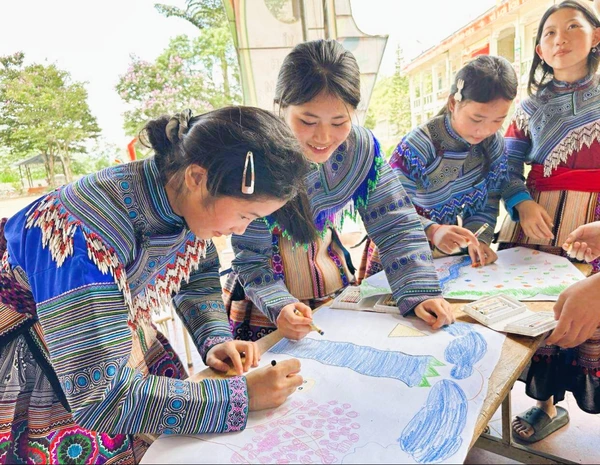
Young people do not need to wait until they gain years of experience to make a difference. They can start by recognizing a problem and taking practical steps to improve their communities.
Launched in 2025, the Green Kites Youth Changemakers Impact Lab empowers young people to turn their ideas into practical solutions for the challenges they see around them. Through mentorship, leadership development, and hands-on project guidance, the Lab helps emerging changemakers learn how to identify community needs, develop realistic plans, mobilize their peers, gain support and lead initiatives that create meaningful community impact.
At Green Kites International, we believe young people are capable of more than preparing to become future leaders. They can contribute today. With the right guidance and support, students can build the skills to address real challenges and work with others to make a difference.
To guide this process, we use the LEPS Framework™: Learn → Equip → Practice → Sustain. This structured approach connects learning with action, helping young people understand community challenges, develop practical skills, implement their ideas, and consider how their work can continue to benefit others.
The Impact Lab brings this approach to life through youth leadership development, mentorship, and community-impact projects.
Our Impact
Since 2025, Green Kites International’s broader changemaking work has reached 52 groups and more than 1,350 students, creating opportunities for young people to explore leadership, collaboration, community service, and social impact.
Alongside this broader engagement, our focused mentorship program supported five youth organizations through six months of training, project development, and implementation guidance.
450+ Students Engaged
We connect students with opportunities to develop their ideas, strengthen practical skills, and discover ways to contribute to their schools and communities.
18 Youth Organizations Mentored
We provided focused mentorship and training to five youth organizations working to develop and launch their own community-impact projects.
10-week Mentorship and Training
We supported participating youth organizations through a structured period of learning, project planning, development, and implementation guidance.
These figures reflect different aspects of our work. The groups and students reached represent our broader changemaking efforts, while the five organizations participated in a more focused mentorship initiative.
OUR 3 projects spotlight: Youth changemakers in action
Three youth-led initiatives. Three community needs. One shared commitment to lasting impact.
1. Elderly Directory
Youth leaders: Nguyen Cong Hai Dang, Hoang Bao Nguyen, Hoang Thuy Duong
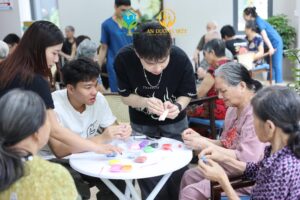
Elderly Directory organizes social and intergenerational activities with older adults at elderly care centers and hosts workshops to help seniors learn how to use technology. Through these initiatives, the project promotes social connection, reduces the digital divide, and helps older adults feel more connected and confident using technology.

2. Light of Hope
Youth leaders: Pham Nhat Long, Ngo Huy Khai
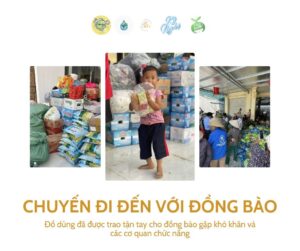
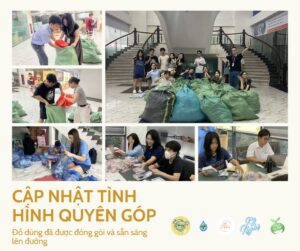
Disaster relief and community solidarity: Student-led donations of clothing, blankets, and food for families affected by flooding.
3. Discovery Zone Club
Youth leader: Nguyen Ngoc Mai
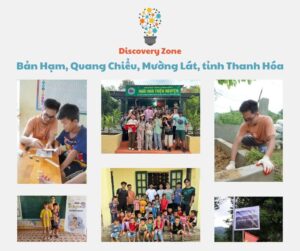
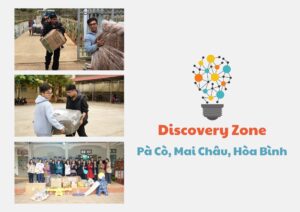
STEM fairs, robotics workshops, learning equipment donations, solar lights, and science education content for rural schools.
GK Youth Changemakers Impact Lab Report
Read Our Youth Changemakers Impact Lab Report here.
From Ideas to Action: Our Youth Mentorship Program
An idea can be the beginning of meaningful change, but turning that idea into a working project takes planning, teamwork, persistence, and an understanding of the community it aims to serve.
The Green Kites Youth Changemakers Impact Lab was established to help young people bridge that gap.
Through a six-month mentorship and training program, we supported five youth organizations in designing and launching their own community-impact projects. The program emphasized practical learning and encouraged participants to move beyond discussing problems to developing plans and taking action.
Rather than expecting every organization to follow the same model, we helped young leaders think critically about the needs they wanted to address, the people they hoped to reach, and the resources available to them.
The program’s approach is guided by LEPS, which provides a structure for moving from understanding a challenge to developing the skills, experience, and planning needed to address it.
What Young Leaders Learn
Understand community needs
Young leaders learn to identify challenges, listen to stakeholders, consider different perspectives, and understand the needs of the people their initiatives are intended to serve.
Turn ideas into practical plans
Participants learn to translate their ideas into achievable projects with clear objectives, activities, responsibilities, timelines, and resource requirements.
Build and lead teams
Community initiatives depend on people working together. Young leaders develop skills in communication, collaboration, volunteer coordination, and shared responsibility.
Work with limited resources
Young people do not always have access to substantial funding or established networks. We encourage them to identify available resources, explore potential partnerships, and find practical ways to move their ideas forward.
Put plans into action
Participants learn to organize activities, coordinate people, manage resources, and adapt when challenges arise. They gain a better understanding of the work required to move from planning to implementation.
Learn from experience and plan for the future
Young leaders are encouraged to examine their progress, learn from challenges, and consider how their initiatives can continue to benefit their communities.
The goal is not simply to help participants complete a project. It is to help them develop the skills and confidence to lead future initiatives, work effectively with others, and respond to new challenges.
Our Curriculum Framework: LEPS™
Learn. Equip. Practice. Sustain.
At Green Kites International, we believe meaningful youth leadership develops through more than inspiration alone. Young people need opportunities to understand community challenges, build practical skills, apply what they learn, and consider how their work can continue to benefit others.
The LEPS Framework™ (Learn → Equip → Practice → Sustain) provides a structured approach to youth development and community-impact project learning. It connects leadership education with practical experience and encourages young people to move from identifying a need to taking action and thinking about longer-term impact.
1. LEARN | Understand the Need
Every meaningful project begins with understanding the challenge.
Young leaders learn to identify community needs, listen to the people affected, ask thoughtful questions, and examine possible causes and solutions. They develop a clearer understanding of the issue they want to address and the people their project aims to serve.
2. EQUIP | Develop the Skills and Resources
An idea needs the right preparation to become a workable project.
Participants develop skills in project planning, communication, teamwork, budgeting, volunteer coordination, and partnership development. They identify available resources and consider how to use them effectively.
This stage helps young leaders build the capacity to move forward with a realistic plan.
3. PRACTICE | Turn Knowledge into Action
Learning becomes more meaningful when young people can apply it.
Participants use their skills to develop and implement community-impact projects. They coordinate teams, organize activities, address practical obstacles, and adjust their plans as they gain experience.
This stage emphasizes learning by doing and taking responsibility for implementation.
4. SUSTAIN | Build for Continued Impact
A project can create value beyond its initial activities.
Young leaders reflect on their progress, identify lessons learned, and consider how their initiatives can continue. They explore opportunities to strengthen partnerships, share knowledge, improve their approach, and encourage others to participate.
Sustainability means thinking beyond the launch of a project and considering what is needed to maintain its value over time.
From Learning to Lasting Leadership
LEPS connects these four stages into a coherent learning journey. Rather than treating leadership training and project implementation as separate activities, the framework brings them together in a process that encourages young people to learn, build capacity, take action, and reflect on what comes next.
Within the Youth Changemakers Impact Lab, LEPS provides a common structure while allowing participating organizations to develop projects that respond to their own communities’ needs.
Our aim is to help young people leave with more than an idea or a completed activity. We want them to develop practical skills, experience working with others, and a stronger foundation for leading future initiatives.
Learn with purpose. Equip yourself to lead. Practice through action. Sustain the impact.
Explore the LEPS Framework and Training Resources
LEPS is part of Green Kites International’s broader approach to structured learning and sustainable community initiatives. The framework is also applied through our Smiles for Life program, which focuses on preventive oral-health education and community engagement.
Explore the resources below to learn more about the framework and how it can guide practical community work.
- Read the LEPS Framework Guide to understand its four stages and guiding principles.
- Explore the LEPS Training Resource to learn more about applying the framework.
- Visit Smiles for Life to see how Green Kites applies its preventive education approach in community settings.
Sharing Youth Leadership Lessons with Vietnamese Students
Invited Speakers | Gmartek Inspirational Talk Series
Green Kites International’s youth leadership work also creates opportunities to share practical lessons with students beyond the communities where our projects take place.
On January 18, 2025 and October 3, 2026, our Green Kites youth leaders, Daniel Cox, Sean Pham and William Pham, were invited to speak at the Gmartek Inspirational Talk Webinar Series. The webinars, Don’t Wait Until You’re Older: From Student Ideas to Real-World Impact, provided Vietnamese high-school and university students with practical lessons on youth leadership, nonprofit development, and community impact.
The sessions explored how young people can turn their ideas into actionable projects, mobilize peers, work with limited resources, and develop initiatives that address community needs.
Drawing on Green Kites’ experience in youth-led community work, the talk encouraged students to take initiative and begin creating change within their own communities.
The discussion highlighted the work behind successful community initiatives. Young leaders must understand the needs they want to address, develop a clear plan, find people willing to help, use available resources wisely, and remain committed when challenges arise.
The central message was straightforward: young people do not need to wait for substantial funding, formal titles, or years of experience before they begin contributing. They can start by identifying a problem, bringing people together, and taking a practical first step.
These lessons align with the LEPS approach. Young people begin by understanding a challenge, develop the skills and resources to address it, put their ideas into practice, and consider how their work can continue.
By sharing practical lessons with Vietnamese students, Green Kites hopes to encourage them to apply what they learn in their own schools, organizations, and communities.