The problem
Vietnam boasts abundant water resources—over 2,000 rivers and nearly 1,940 mm of annual rainfall (World Bank, 2021). Despite this, rural and mountainous communities still lack reliable access to clean water. By 2020, only about 51% of rural households had access to clean water that met national standards, while 75% had access to hygienic latrines (UNICEF & MARD, 2021). Conditions are significantly worse among ethnic minority communities: a 2023 UNICEF study found that 40% of households reported reduced access to drinking water, and in some groups, up to 70% experienced supply interruptions lasting several months annually (UNICEF, 2023). These communities often lack piped water, face contamination, and have limited WASH (Water, Sanitation and Hygiene) infrastructure (UNICEF, 2022).
The situation in schools is equally alarming. UNICEF estimates that 7.7 million children in Vietnam attend schools without running water or working toilets (UNICEF, 2019; Children of Vietnam, 2020). Following the pandemic, reports indicated that around 30% of schools lacked running water or soap, leaving nearly 6 million students without basic hygiene access (DTiNews, 2020). For many, it is not just a health issue—it is also a question of dignity. Girls, in particular, often stay home during their periods because there are no toilets, no sinks, and no soap.
Our solution
Green Kites International Association set out to design practical, low-cost, and community-driven solutions that could be replicated across schools. Yet we quickly realised that not all communities face the same water challenges. In fact, the two schools we supported — one in the Central Highlands and one in the far northern mountains — illustrate how different problems demand different solutions.
WATER FILTRATION SYSTEM
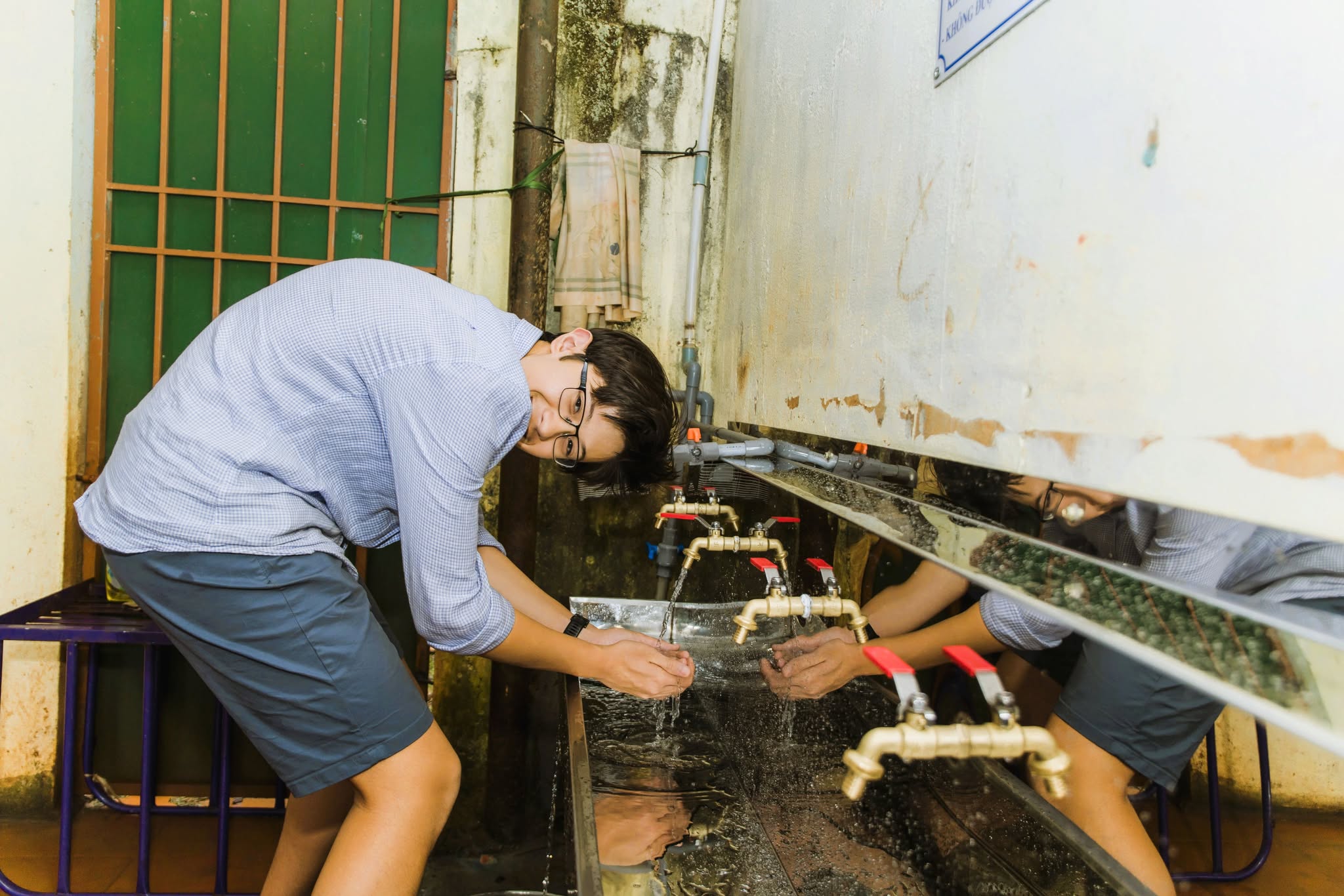
Groundwater is often available in Đắk Lắk, but it is frequently contaminated with bacteria, sediment, or agricultural runoff. For this reason, installing a filtration system that makes existing sources drinkable (whether groundwater or piped water) is often more reliable than depending on rainwater harvesting.
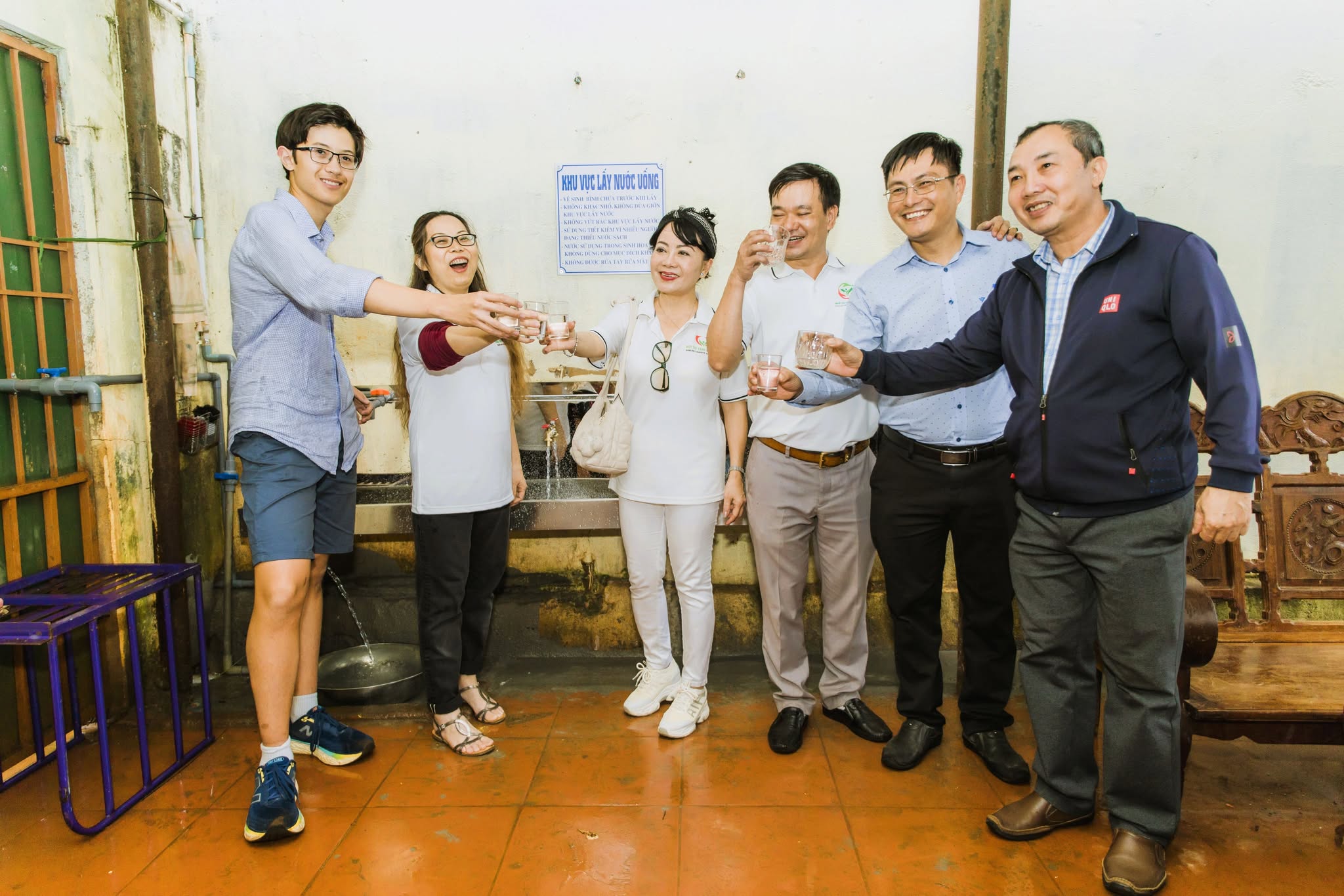
In 2024, we funded the installation of such a clean water filtration system at Ama Trang Lơng Primary School, Cư M’gar. For the school’s 313 students, this meant the first time they could drink safely and confidently from a tap.
WATER HARVESTING SYSTEM – The Gutter System
The Challenge
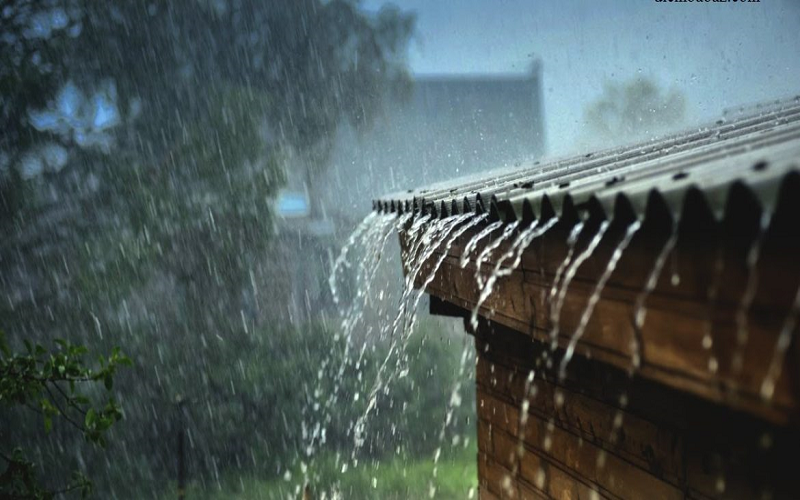
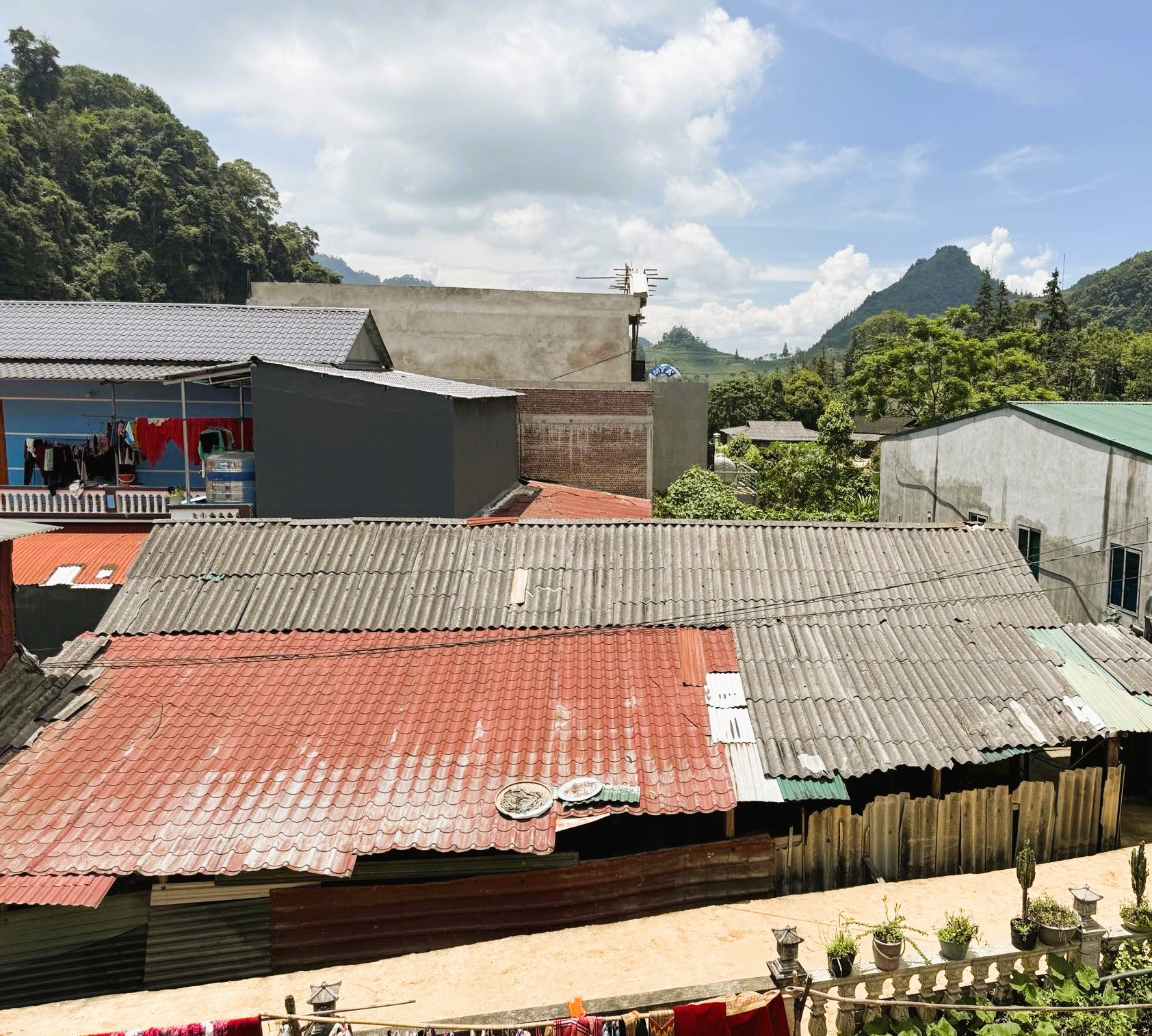
In many rural provinces of Vietnam, water scarcity is an everyday struggle. Despite heavy seasonal rains, households and schools lack the infrastructure to collect and store water effectively. Most homes do not have gutters, and families rely on small plastic tanks or even buckets to catch rain directly. Traditionally, some households also use large clay jars (chum) as storage vessels, but their capacity is limited—typically 200–400 litres each, enough for only a few days of household use. Small tanks are also common, with capacities ranging from 500 to 1,000 litres. During GKIA’s 2024 field trips, Daniel Cox, CEO of GKIA, observed that in Dak Lak—and later in Lào Cai—virtually no houses or schools were equipped with proper guttering or rain-harvesting systems. This means that valuable rainwater, which could be stored for drinking, hygiene, and agriculture, is lost.
Roofs of both old and new houses with no gutter systems in Lào Cai
Our Solution
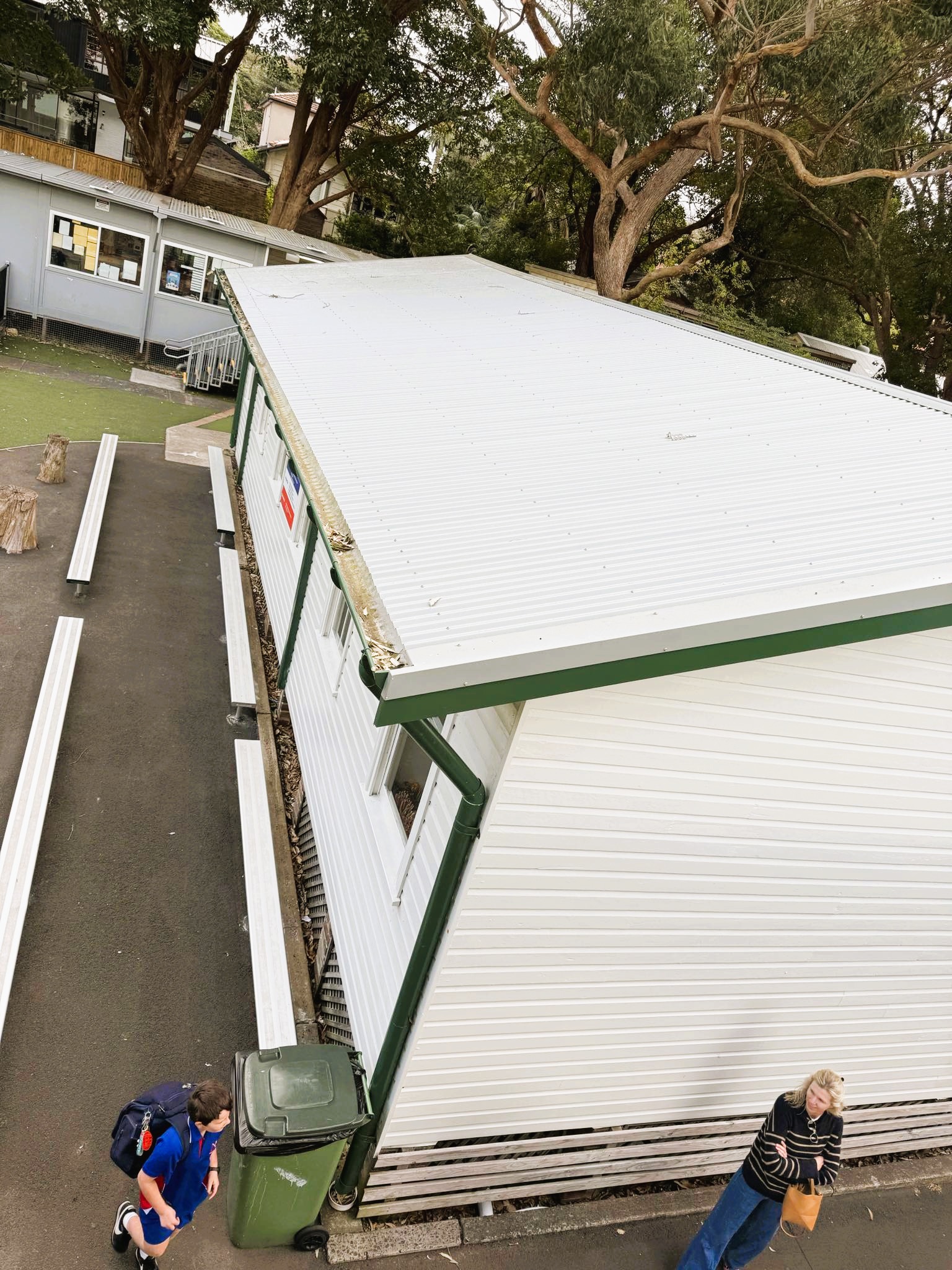
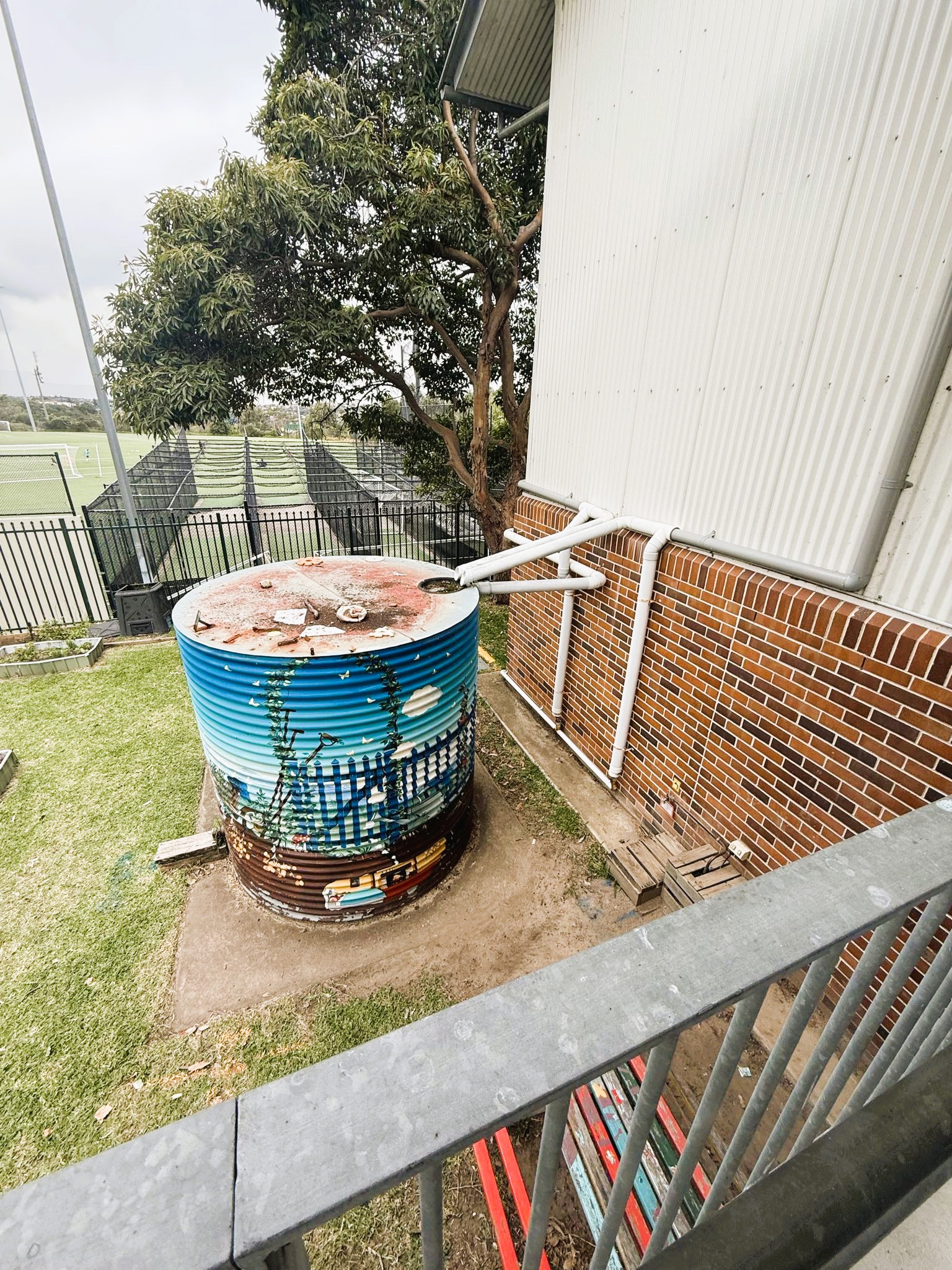
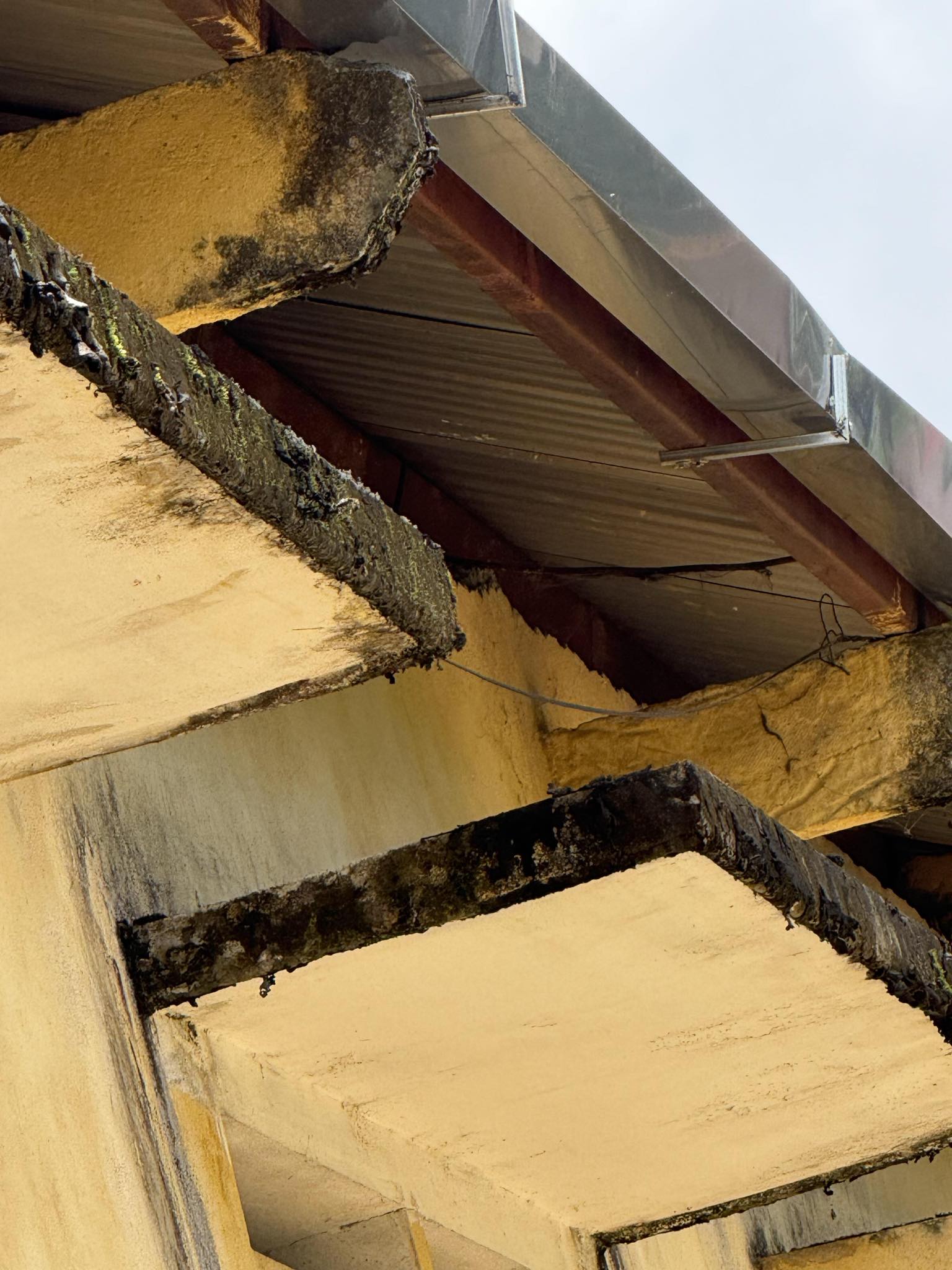
Daniel designed a universal gutter system that can be easily made and installed on any type of roof, regardless of size or material. To explain the concept, Daniel used photographs of gutter systems at a school in Sydney and worked with local partners to demonstrate how gutters could be built and fitted.
A single 20 m² roof can theoretically collect about 200 litres of water from 10 mm of rainfall, with slightly less in practice due to system losses. A 4,000-litre tank can be topped up in a few downpours, providing a steady reserve for handwashing and toilet flushing at schools.
Photos of the gutter system at Northbridge Public School in Sydney, Australia, were used as a visual reference to explain the gutter system to our Vietnamese partners and the schools
Daniel developed a universal gutter design adaptable to all roof types, regardless of size or material
The design moved from concept on paper to practical installation at a school
Implementation
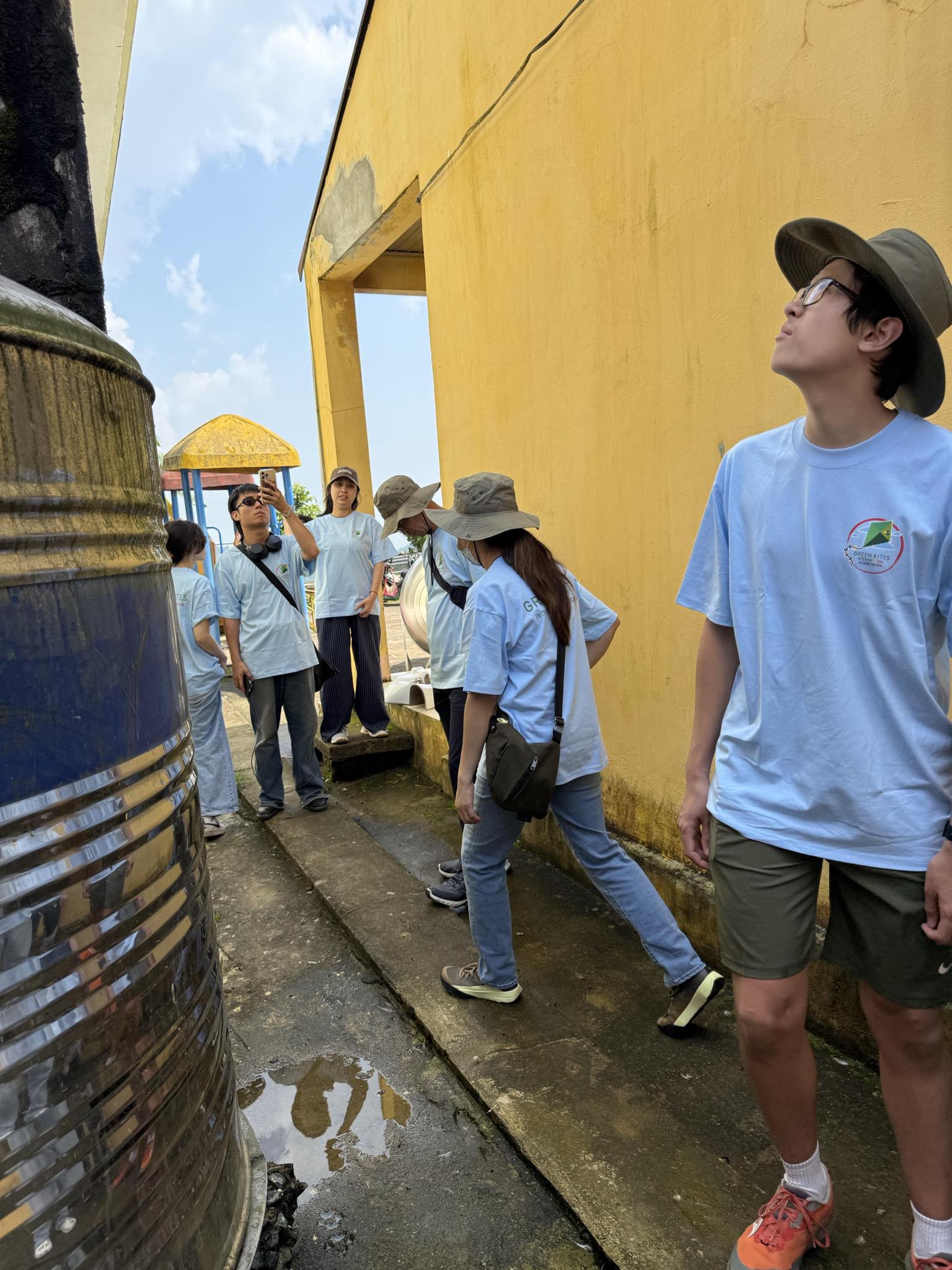
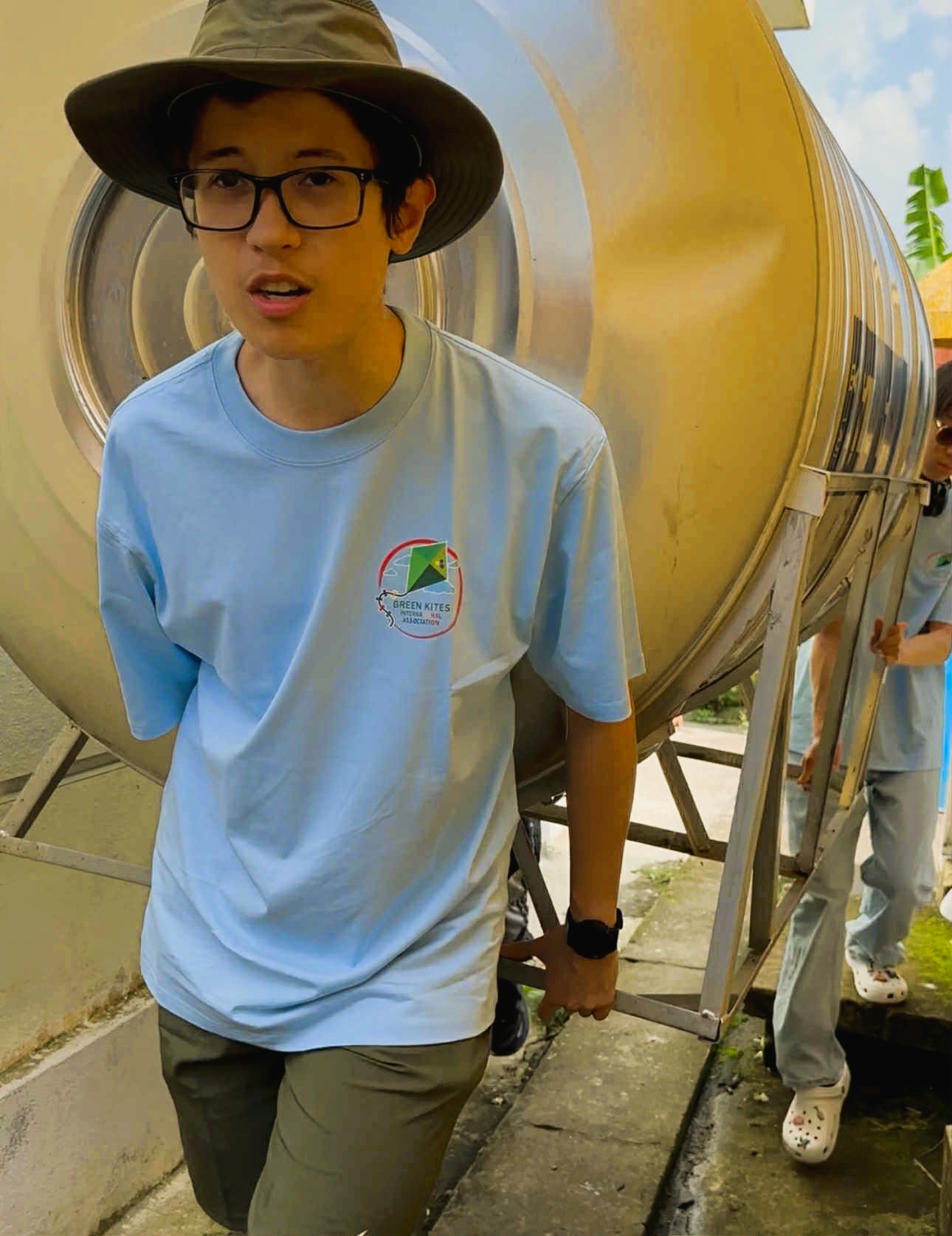
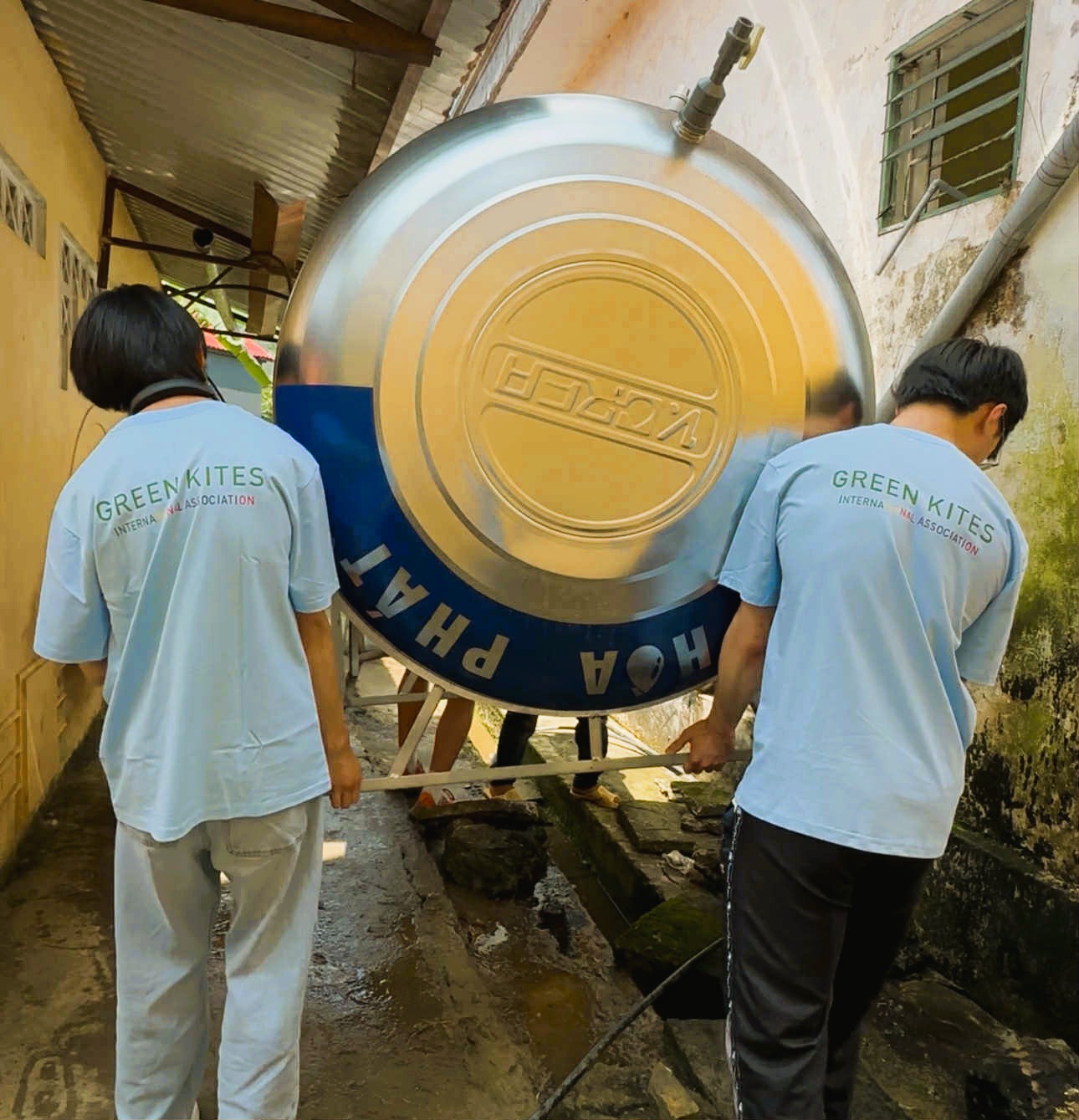
In July 2025, the first installation took place at Sin Cheng Primary School, Si Ma Cai District, Lào Cai Province, where gutters were successfully mounted and connected to newly installed water tanks. This simple yet transformative intervention has provided a reliable source of rainwater for 50 students and 12 staff members, directly improving hygiene, sanitation, and daily life at the school.
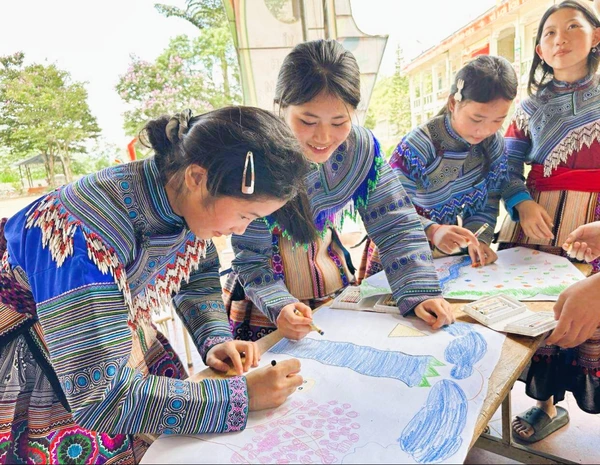
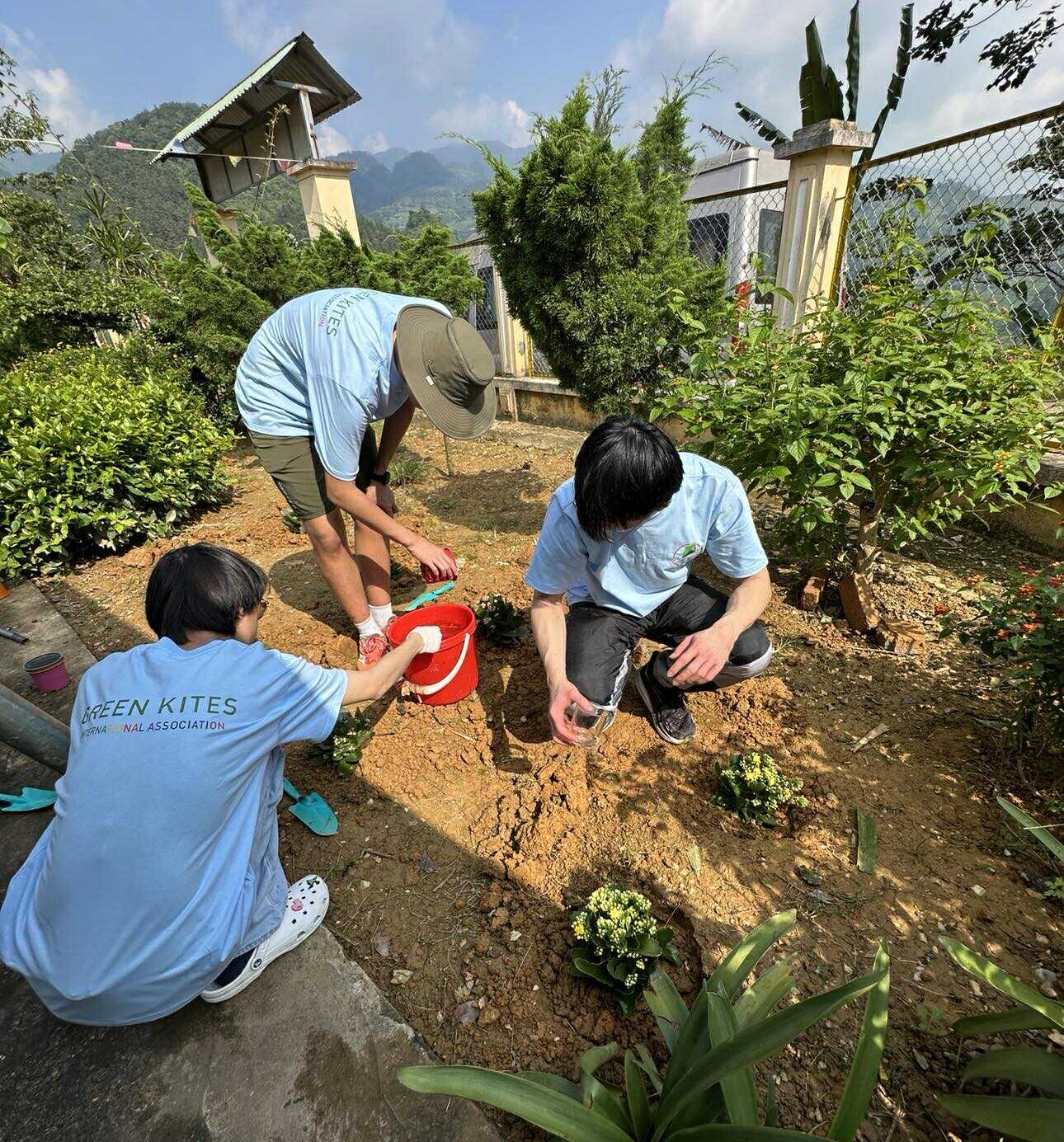
Working alongside teachers, we planted insect-repelling bushes around the toilets and installed garbage bins. We also delivered engaging hygiene workshops, where students learned proper handwashing techniques through songs and how to make natural handwashing liquid from locally sourced herbs. The workshop day was both educational and joyful.
In December 2025, the system was implemented at Quan Hồ Thẩn Commune Kindergarten No. 2, Lào Cai Province, where it now supports the daily hygiene and sanitation needs of more than 80 students and 23 teachers and staff.
During the same period, the gutter system was also replicated at Phan Bội Châu Primary School, Kruẽ Branch, Đắk Lắk Province, providing a reliable source of rainwater for 55 students and 11 staff members.
This gutter project now serves as a scalable model that Green Kites will replicate across rural Vietnam, unlocking rainwater as a sustainable, low-cost resource in regions where access to clean water remains limited.
By addressing two distinct problems — contamination in Đắk Lắk and scarcity in Lào Cai — Green Kites demonstrated that solutions must be locally responsive, not one-size-fits-all. What unites both projects is our commitment to simple, scalable engineering that improves health, dignity, and joy for children in school.
Our Impact
The impact was immediate, leading to improved health, reduced absenteeism, greater energy for learning and play, and access to safe, hygienic toilet facilities.
2024
- 313 students at Ama Trang Lơng Primary School gained access to safe drinking water. For many, it was the first time they could drink directly from a tap without fear of illness.
2025
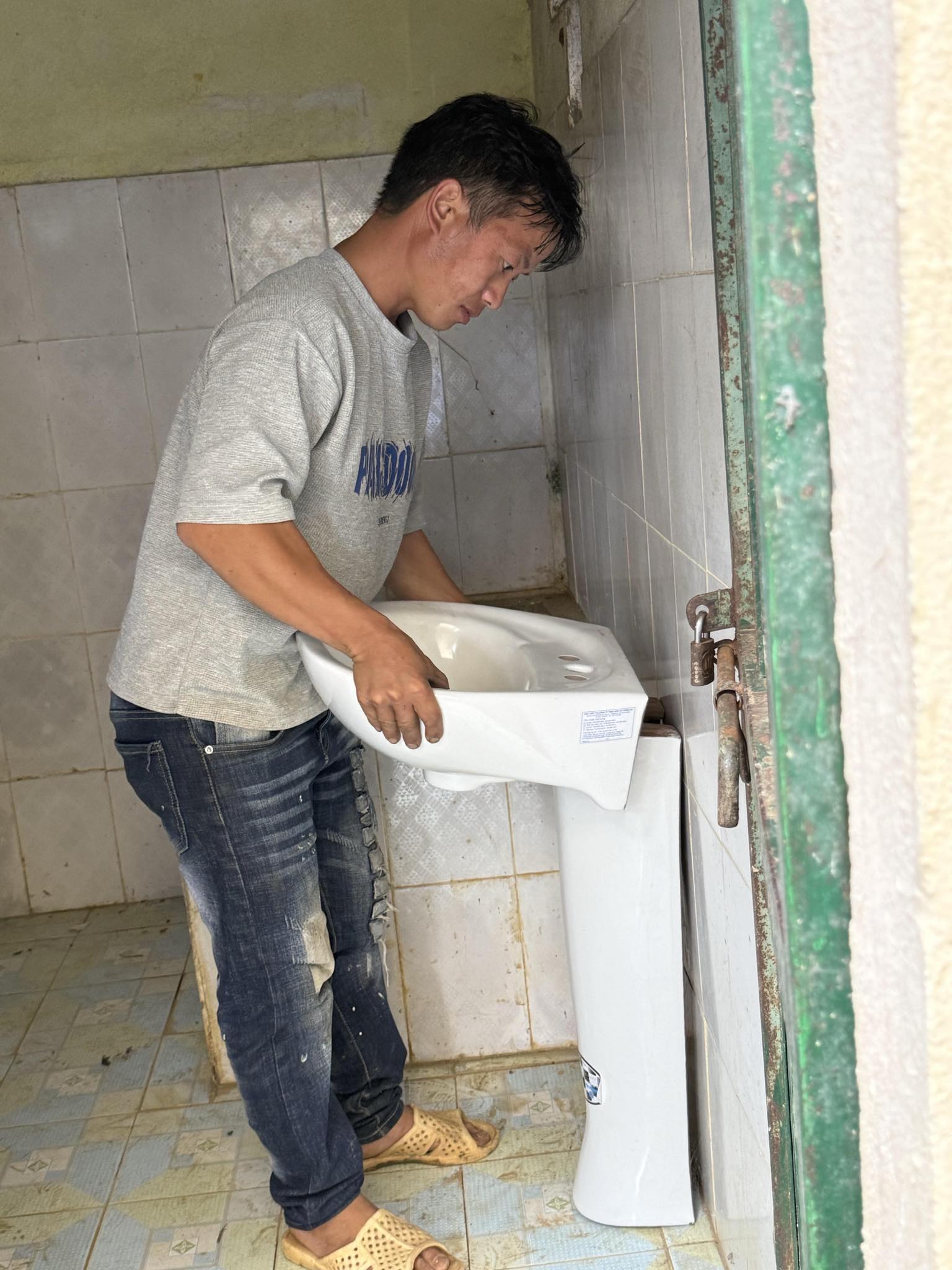
- More than 50 students and 12 teachers at Sín Chéng Primary School, Lào Cai Province, now benefit from clean, functioning toilets, handwashing stations, and a healthier learning environment.
- More than 80 students and 23 teachers and staff at Quan Hồ Thẩn Commune Kindergarten No. 2, Lào Cai Province, are now supported in their daily hygiene and sanitation needs.
- 55 students and 11 teachers at Phan Bội Châu Primary School, Kruẽ Branch, Đắk Lắk Province, now have access to clean water through the rainwater gutter system.
Our partners
- Ama Trang Lơng Primary School, Đắk Lắk
- Phan Bội Châu Primary School, Kruẽ Branch, Đắk Lắk
- Sín Chéng Primary School, Lào Cai
- Quan Hồ Thẩn Commune Kindergarten No. 2, Lào Cai
- The Youth Union of Sín Chéng Commune
References
World Bank (2021) Vietnam Water Security and Sanitation Sector Assessment. Available at: https://www.worldbank.org/en/country/vietnam/publication/vietnam-water-security-and-sanitation-sector-assessment (Accessed: 23 August 2025).
UNICEF & Ministry of Agriculture and Rural Development (2021) National Strategy on Rural Water Supply and Sanitation with Vision to 2045. Available at: https://www.unicef.org/vietnam/press-releases/national-strategy-rural-water-supply-and-sanitation-2030-vision-2045 (Accessed: 23 August 2025).
UNICEF (2019) Progress on Drinking Water, Sanitation and Hygiene in Schools: 2000–2018 Data Update. WHO/UNICEF Joint Monitoring Programme. Available at: https://data.unicef.org/resources/jmp-wash-in-schools-2019 (Accessed: 23 August 2025).
UNICEF (2022) Water, Sanitation and Hygiene (WASH) | UNICEF Vietnam. Available at: https://www.unicef.org/vietnam/water-sanitation-and-hygiene-wash (Accessed: 23 August 2025).
UNICEF (2023) Formative Research on Rural Water Supply, Sanitation, Hygiene, and Nutrition in Viet Nam. Available at: https://www.unicef.org/vietnam/reports/formative-research-rural-water-supply-sanitation-hygiene-nutrition-viet-nam (Accessed: 23 August 2025).
Children of Vietnam (2020) WASH in Schools. Available at: https://childrenofvietnam.org/wash-in-schools (Accessed: 23 August 2025).
DTiNews (2020) Thousands of Vietnamese students return to school without running water. Available at: https://dtinews.dantri.com.vn/vietnam-today/thousands-of-vietnamese-students-return-to-school-without-running-water-20200505200118727.htm (Accessed: 23 August 2025).