Empowering Students Through Health Knowledge and Practical Skills
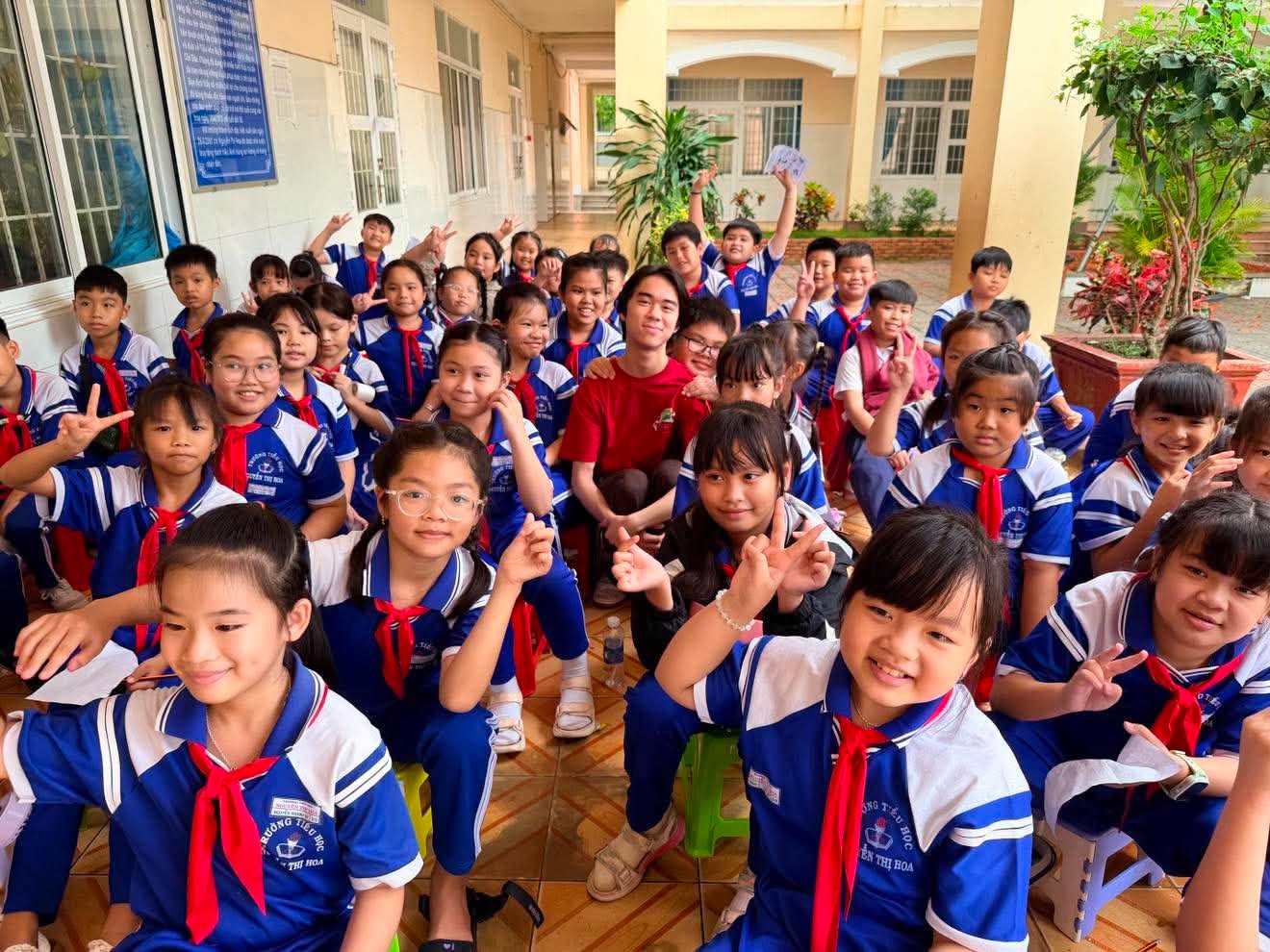
Health education is the foundation of lasting change. Through the Healthy Future Education Program, co-founder, Sean Pham, leads Green Kites team to develop practical learning experiences that help students understand health, prevent illness, respond to emergencies, and build lifelong healthy habits.
By combining interactive workshops, hands-on activities, and educational resources, Green Kites transforms health knowledge into practical skills students can apply at school, at home, and within their communities.
sean’s APPROACH TO HEALTH EDUCATION
“earning Through Knowledge, Practice, and Empowerment”
Sean believes effective health education goes beyond sharing information. Students need the knowledge, practical skills, and confidence to make healthier decisions and respond to real-world challenges.
Our approach combines three elements:
Knowledge
Students learn the foundations of health, including hygiene, disease prevention, nutrition, emergency preparedness, and healthy behaviors.
Practical Skills
Through demonstrations, hands-on activities, and workshops, students practice skills they can apply in daily life, including proper hygiene practices, first aid, and emergency response.
Empowerment
By engaging students as active participants in their own health, Green Kites helps develop confidence, responsibility, and lifelong healthy habits.
HEALTH AND HYGIENE EDUCATION WORKSHOPS
“Turning Health Knowledge Into Everyday Action”
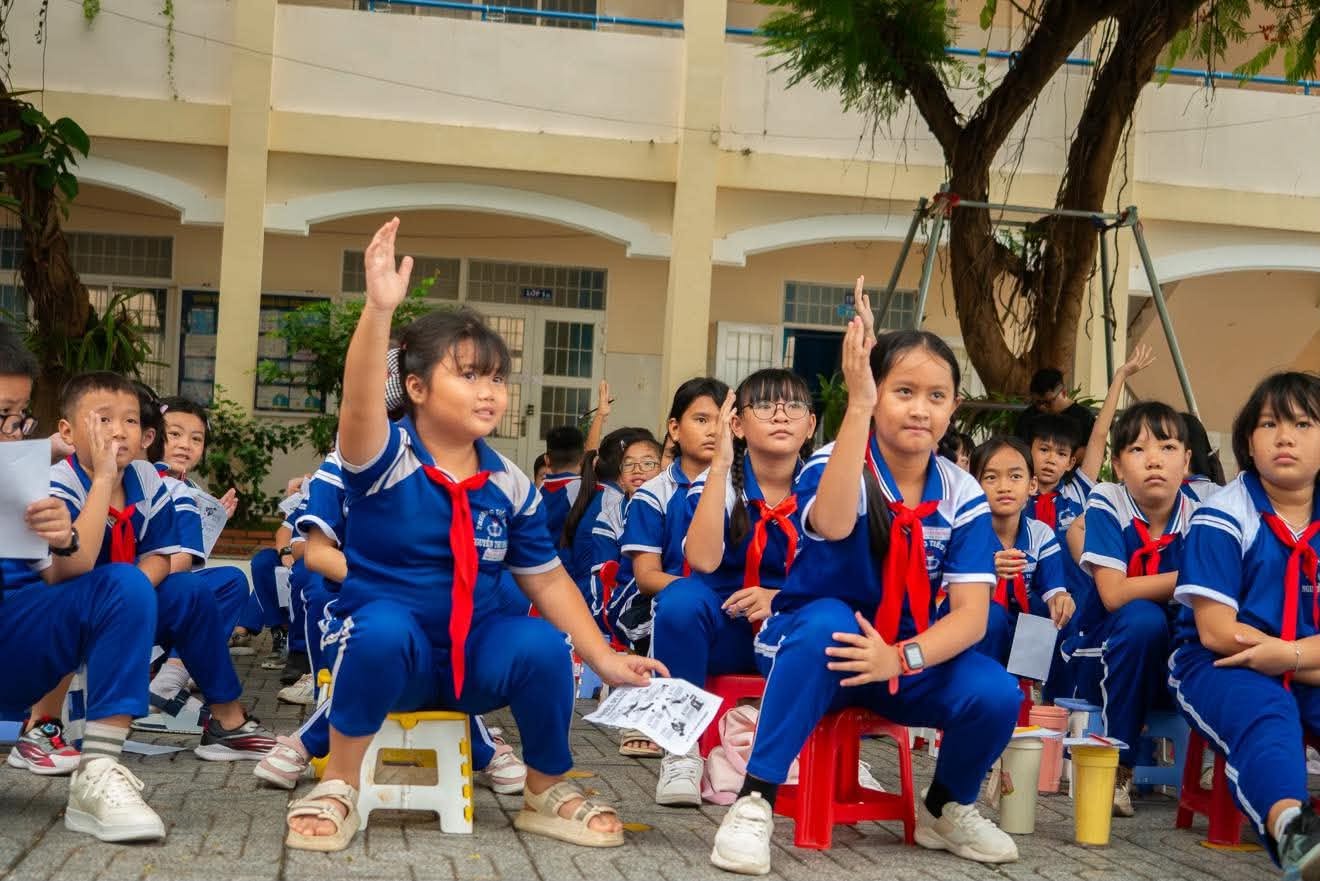
Green Kites delivers interactive health and hygiene education workshops designed to help students understand how everyday behaviors influence personal and community health.
Students learn about:
- Personal hygiene and sanitation
- Disease prevention
- Nutrition and healthy lifestyles
- Vaccination awareness
- Healthy daily habits
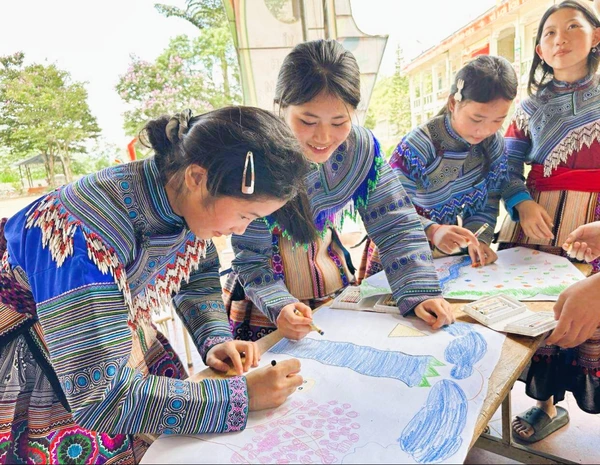
At Sín Chéng High School in Lào Cai Province, co-founder Sean Pham developed and delivered health workshops addressing common health challenges affecting rural communities, including respiratory infections, diarrheal illnesses, malnutrition, and mosquito-borne diseases.
As part of these workshops, students participated in a hands-on handwashing liquid making activity using locally available ingredients such as lemongrass, soapberries, and lemon leaves.
Through this activity, students learned the importance of hand hygiene while developing practical skills they could apply at school and at home.
CPR AND FIRST AID EDUCATION
“Preparing Students to Respond During Emergencies”
Health education includes not only preventing illness but also knowing how to respond when emergencies occur.
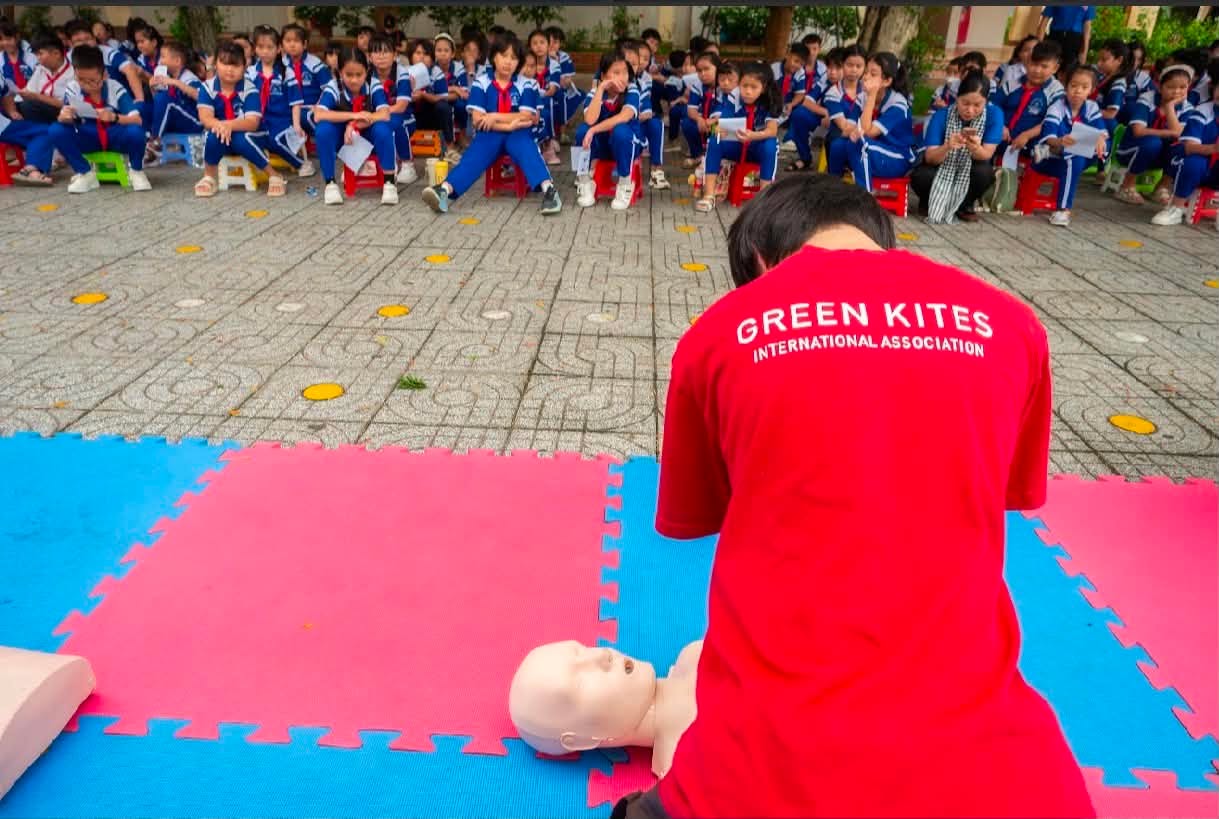
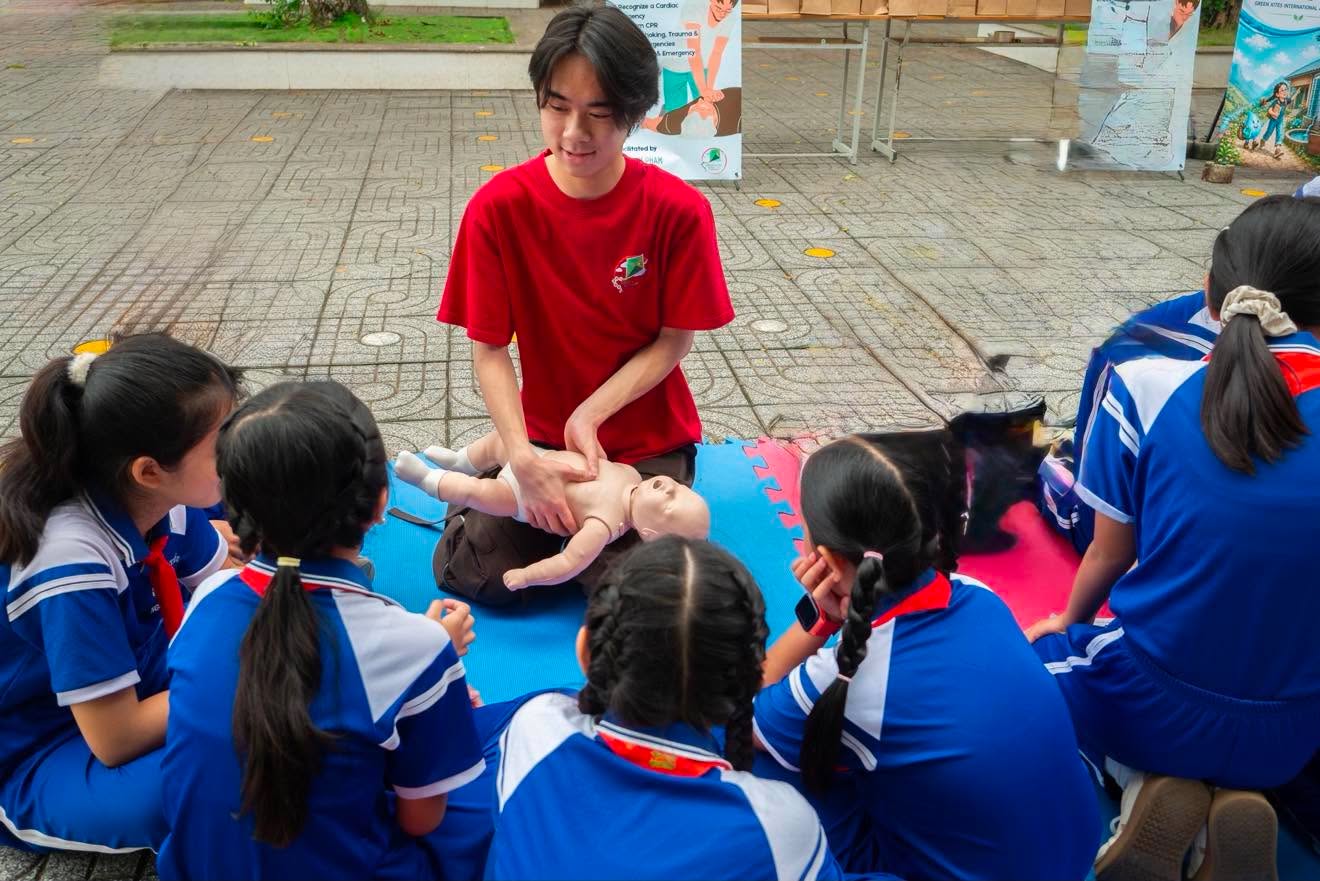
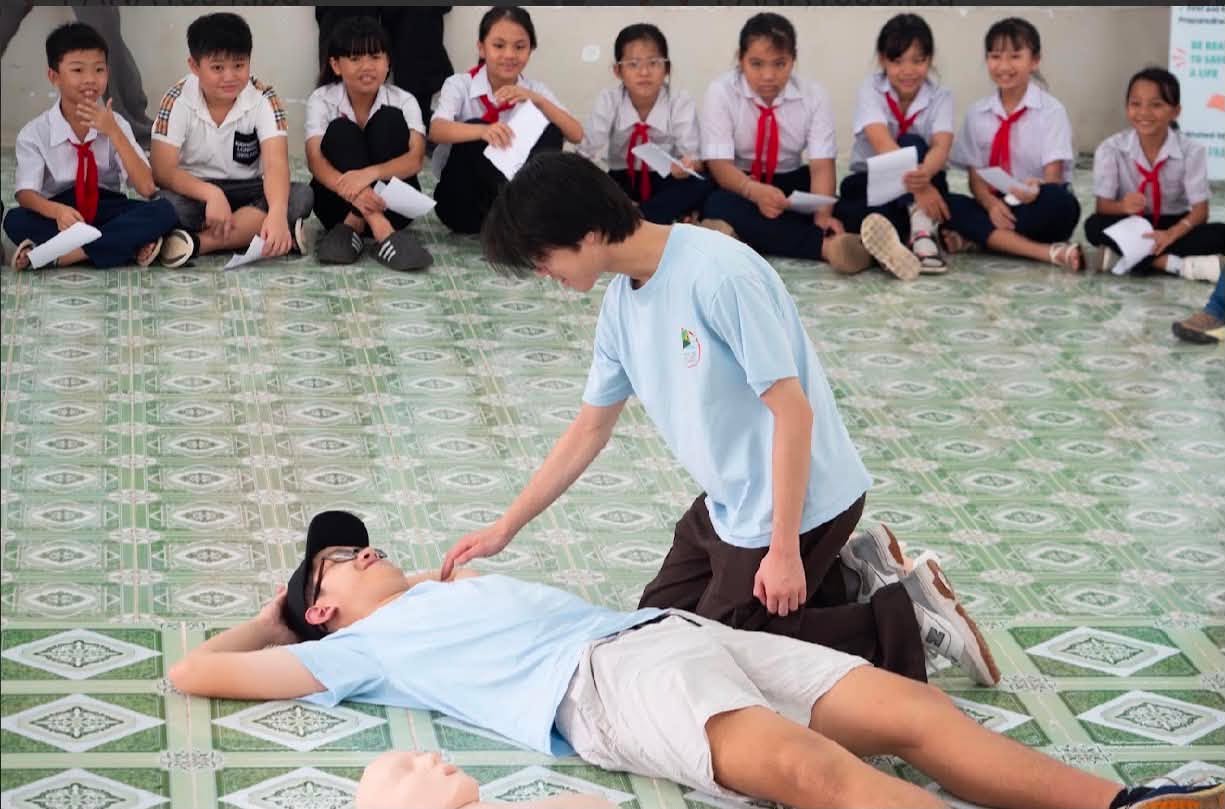
As part of the Healthy Future’s Emergency Preparedness Program, Green Kites provides CPR and First Aid workshops that teach students, teachers, and community members essential emergency response skills.
Participants learn how to:
- Recognizing and responding to emergency situations
- Understanding the basic principles of first aid
- Applying the eight-step first aid method adapted from the Boy Scouts of America (BSA) first aid framework
- Recognize cardiac arrest
- Providing Cardiopulmonary resuscitation and responding to life-threatening emergencies
- Managing common injuries and providing basic care
- Support others while waiting for professional medical help
These workshops help build confidence and preparedness, creating safer schools and communities where individuals are better equipped to take action during critical situations.
EDUCATIONAL RESOURCES AND CURRICULUM DEVELOPMENT
“CREATING LEARNING TOOLS FOR LONG-TERM IMPACT”
To extend learning beyond individual workshops, Sean and his Green Kites team develop educational resources designed for continued use by students and educators.
Resources include:
- Student learning materials
- Activity books
- Teacher guides
- Workshop curriculum
- Practical demonstrations
- Lesson plans
These resources allow health education to continue within schools after Green Kites workshops conclude.
FIRST AID HANDBOOK
“Extending Emergency Preparedness Education”
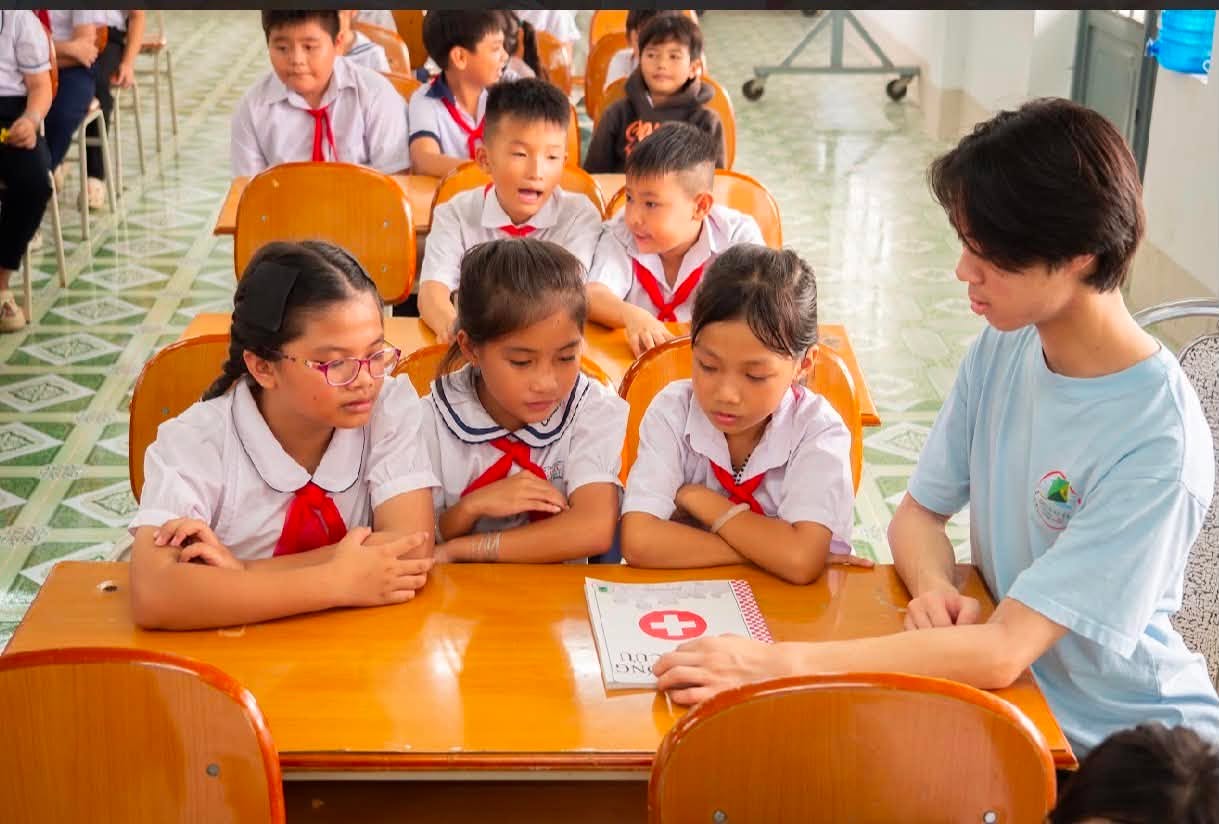
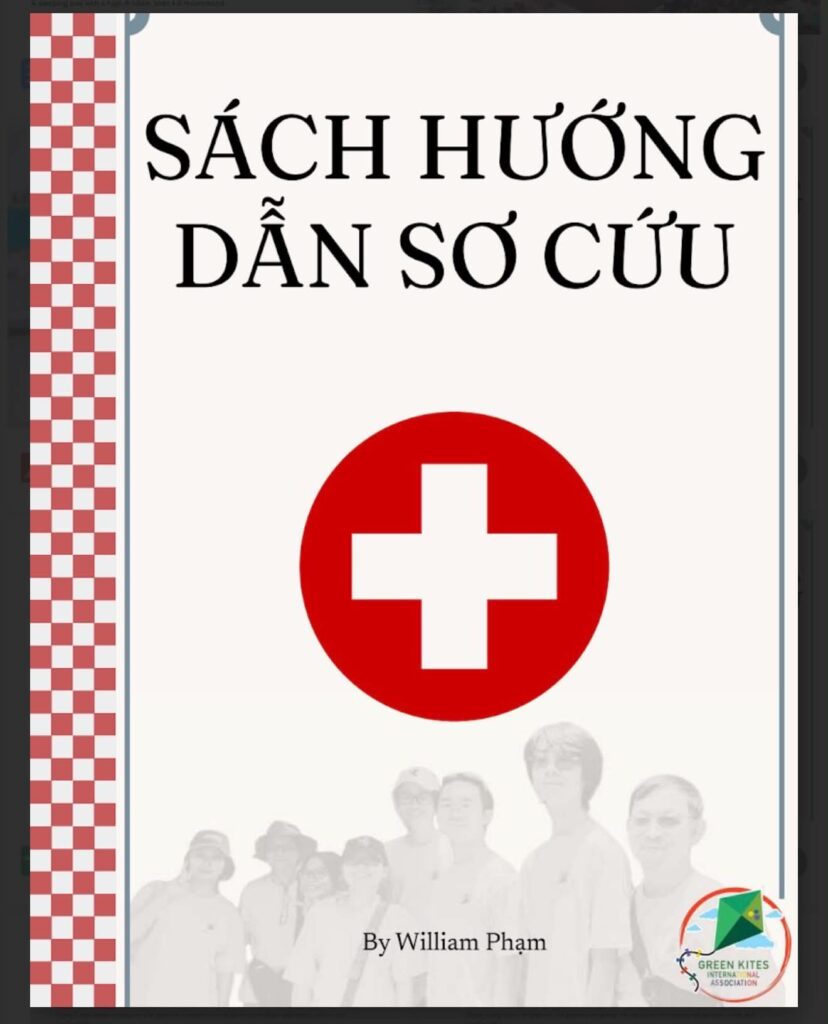
To further support emergency preparedness education, co-founder, William Pham created a 78-page First Aid Handbook designed for students and educators.
The handbook provides accessible guidance on emergency response, basic first aid skills, and health preparedness.
By creating a reusable learning resource, Green Kites helps schools continue developing safety awareness and emergency response skills beyond individual training sessions.
CONNECTING HEALTH EDUCATION WITH SUSTAINABLE SOLUTIONS
“Linking Knowledge, Environment, and Wellbeing”
Green Kites believes health education becomes more effective when students have both the knowledge and resources needed to practice healthy behaviors.
By connecting health education with hygiene initiatives, sanitation projects, and sustainable solutions such as rainwater harvesting, students learn how health, environment, and daily actions are interconnected.
BUILDING LIFELONG HEALTH AWARENESS
“Creating Healthier Communities Through Education”
Through the Healthy Future Education Program, GKIA provides students and school communities with knowledge and practical skills to prevent illness, promote hygiene, and respond to health emergencies.
By combining prevention, emergency preparedness, and hands-on learning, the program helps create healthier and safer communities where children are equipped to protect their own health and support others.
These educational efforts complement the Healthy Future Initiative, which strengthens school health systems through emergency preparedness resources, medical supplies, and community partnerships.